Frequently Asked Questions
How long is school for esthetician?
The duration of school for an esthetician typically ranges from 600 to 1,500 hours, depending on the program and state requirements. Most programs can be completed in about 6 to 12 months.
What does esthetician school consist of?
Esthetician school consists of a comprehensive curriculum that includes theoretical knowledge and practical skills in skincare, makeup application, and hair removal techniques, along with hands-on training and preparation for state licensing exams.
How long is esthetician school?
The duration of esthetician school typically ranges from 600 to 1,500 hours, depending on the program and state requirements, with most programs taking about 6 to 12 months to complete.
Is esthetician school a trade school?
Esthetician school is considered a trade school. It offers specialized training in skincare and beauty treatments, equipping students with practical skills necessary for a successful career in the esthetics industry.
What skills are taught in esthetician school?
The skills taught in esthetician school include skin analysis, facial treatments, makeup application, hair removal techniques, and knowledge of skincare products and ingredients, all aimed at preparing students for a successful career in the skincare industry.
What certifications do esthetician schools offer?
Esthetician schools offer various certifications, including state licensure, which is essential for practicing in the skincare industry, as well as specialized certifications in areas such as advanced skincare techniques, makeup artistry, and laser treatments.
Are there online esthetician school options available?
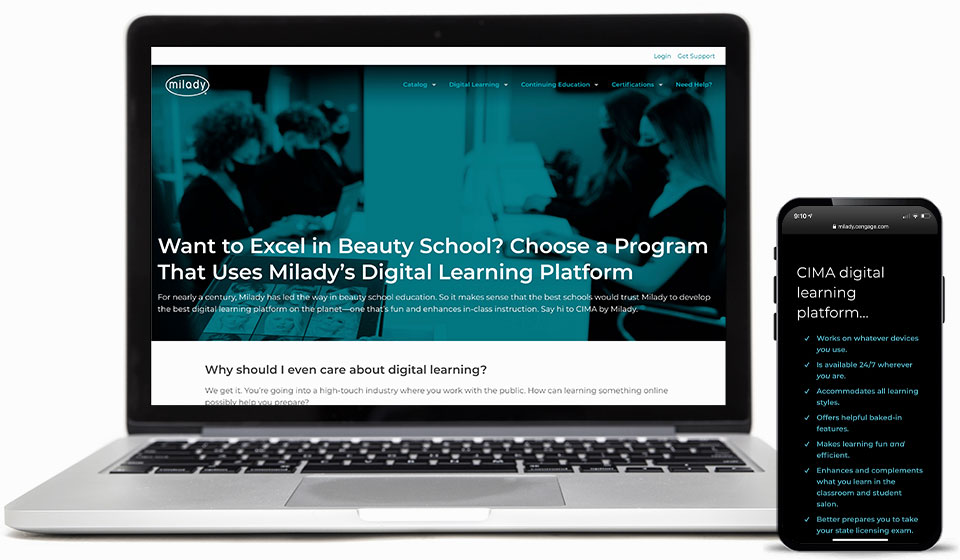
While we have seen online esthetician school options out there, offering flexibility for students to learn essential skincare concepts, hands-on training is crucial in this field. So a hybrid approach combining online learning with in-person practice is often recommended and this is the route we practice.
What is the cost of esthetician school tuition?
The cost of esthetician school tuition varies depending on the program and institution, but generally ranges from $5,000 to $15,000 for comprehensive training, including hands-on experience and licensing preparation.
How do I choose the right esthetician school?
Choosing the right esthetician school involves evaluating the curriculum, hands-on training opportunities, and licensing preparation offered. Consider factors like faculty experience, student reviews, and job placement rates to ensure the school aligns with your career goals in the skincare industry.
What is the job outlook for estheticians?
The job outlook for estheticians is promising, with a projected growth rate of 17% over the next decade, driven by increasing demand for skincare services and treatments in salons, spas, and wellness centers.
What types of esthetics programs are available?
The types of esthetics programs available at NVLET include comprehensive training in skincare, hands-on clinical experience, and specialized courses for licensing preparation, all designed to equip students for successful careers in the beauty industry.
How do esthetician schools prepare students for licensing?
Esthetician schools prepare students for licensing by offering comprehensive training that includes theoretical knowledge, hands-on experience, and practical skills essential for success in the skincare industry, ensuring graduates meet state requirements for licensure.
What is the average class size in esthetician school?
The average class size in esthetician school typically ranges from 10 to 20 students. This small size allows for personalized attention and hands-on training, ensuring students receive the support they need to excel in their skincare education.
What equipment is used in esthetician training?
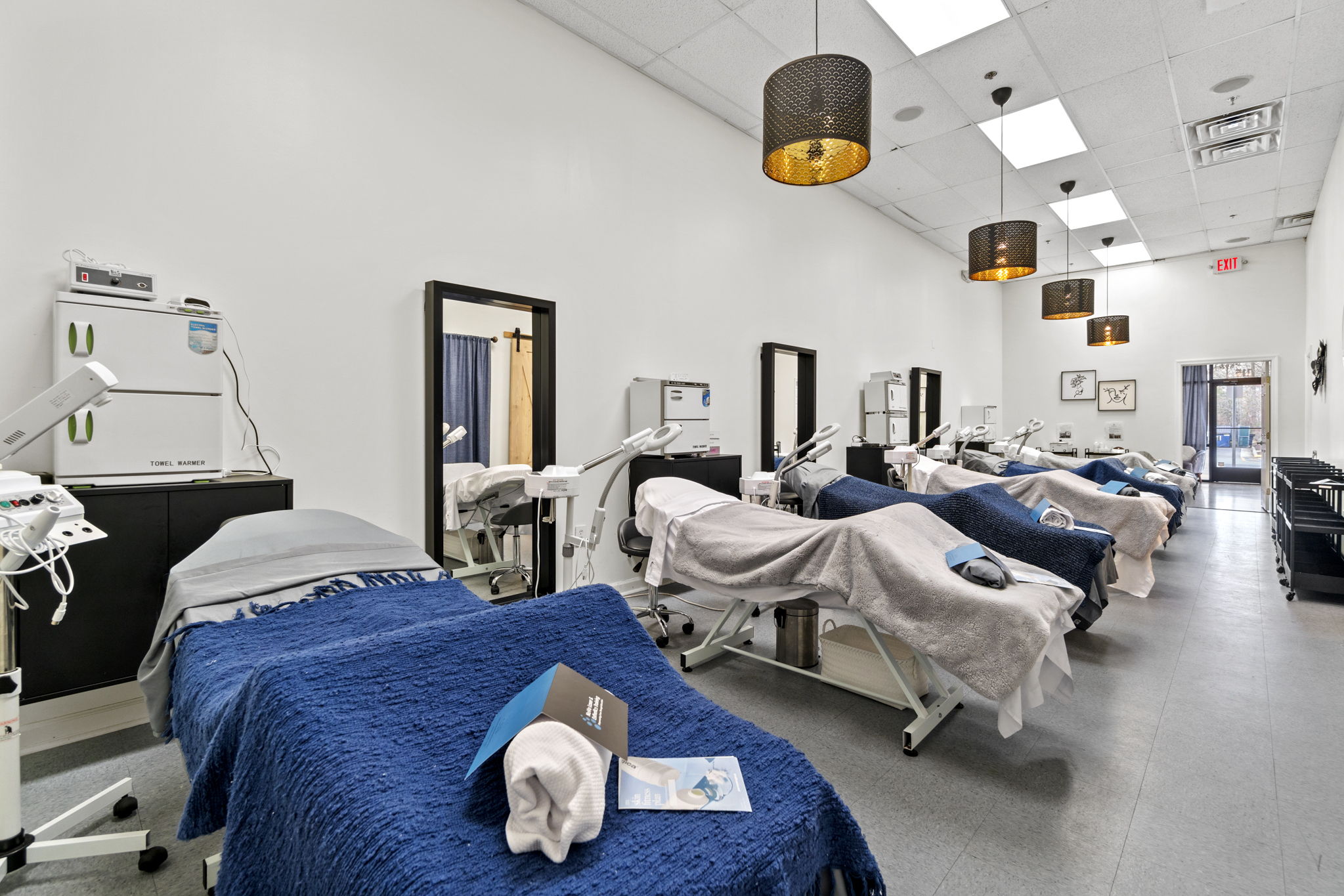
The equipment used in esthetician training includes facial machines, microdermabrasion devices, steamers, and various skincare tools, which provide hands-on experience essential for mastering techniques in the skincare industry.
Are there scholarships for esthetician school students?
Scholarships for esthetician school students are available through various organizations and institutions. Students are encouraged to research and apply for these opportunities to help finance their education in the skincare industry.
What is the duration of esthetician programs?
The duration of esthetician programs typically ranges from 600 to 1,200 hours, depending on the state regulations and the specific curriculum offered by the training institution.
What subjects are covered in esthetician courses?
Esthetician courses cover a variety of subjects, including skin analysis, facial treatments, makeup application, hair removal techniques, and the science of skincare products. Additionally, students learn about sanitation practices and client communication.
How do hands-on training sessions work?
Hands-on training sessions at NVLET involve practical, real-world experience where students engage directly with skincare techniques under the guidance of experienced instructors. This immersive approach ensures that students gain the necessary skills and confidence for their future careers in esthetics.
What are the prerequisites for esthetician school?
The prerequisites for esthetician school typically include a high school diploma or GED, along with a passion for skincare and beauty. Some schools may also require a minimum age of 16 or 18 to enroll.
Can I work while attending esthetician school?
Working while attending esthetician school is possible. Many students successfully balance part-time jobs with their studies, allowing them to gain experience and support themselves financially. However, it's essential to manage your time effectively to succeed in both areas.
What are the benefits of attending a trade school?
The benefits of attending a trade school include specialized training, hands-on experience, and a quicker path to entering the workforce, enabling students to gain practical skills and pursue rewarding careers in their chosen field.
How do I apply to esthetician school?
Applying to esthetician school involves completing an application form, submitting any required documents such as transcripts or identification, and scheduling an interview or orientation session to discuss your goals and program details.
What is the difference between esthetician and cosmetology school?
The difference between esthetician and cosmetology school lies in their focus areas. Esthetician school emphasizes skincare, facials, and treatments, while cosmetology school covers a broader range, including hair, nails, and makeup techniques.
What career paths are available after esthetician school?
The career paths available after esthetician school include roles such as licensed esthetician, skincare specialist, makeup artist, spa manager, and beauty consultant, offering diverse opportunities in the skincare and beauty industry.
How often do esthetician programs update their curriculum?
Esthetician programs typically update their curriculum regularly to reflect the latest trends, techniques, and advancements in the skincare industry. This ensures that students receive current and relevant training that prepares them for successful careers in esthetics.
What is the importance of practical experience in esthetics?
The importance of practical experience in esthetics lies in its ability to equip students with hands-on skills essential for success in the skincare industry. It enhances confidence, fosters real-world application of techniques, and prepares graduates for immediate employment.
Are there part-time esthetician programs available?
Part-time esthetician programs are available at NVLET, allowing students to balance their education with other commitments while gaining essential skills and hands-on experience in the skincare industry.
What are common challenges faced in esthetician school?
Common challenges faced in esthetician school include mastering a wide range of techniques, managing time effectively between practical and theoretical studies, and preparing for licensing exams while maintaining a strong focus on skill development.
How do esthetician schools support job placement?
Esthetician schools support job placement by offering career services, including resume workshops, interview preparation, and networking opportunities with industry professionals, helping graduates successfully transition into the skincare workforce.
What is the focus of advanced esthetician training?
The focus of advanced esthetician training is to enhance practical skills and knowledge in advanced skincare techniques, including specialized treatments, product ingredients, and client consultation, preparing students for higher-level roles in the beauty industry.